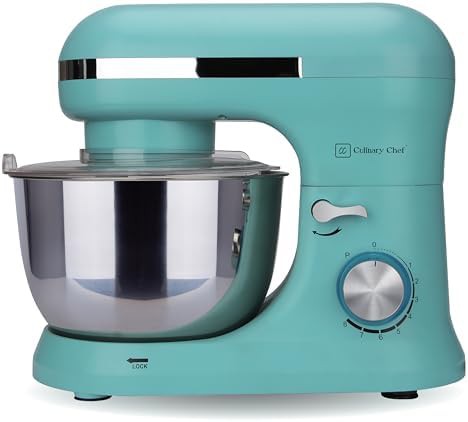
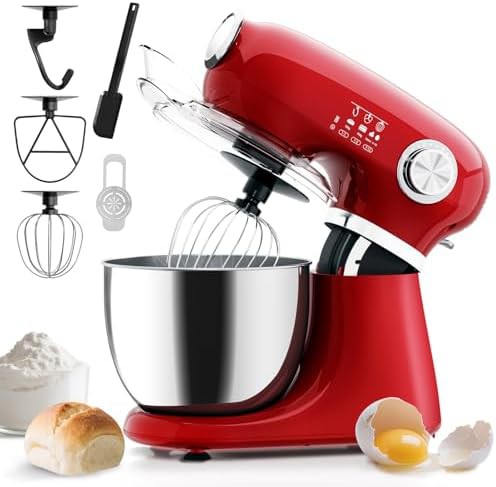
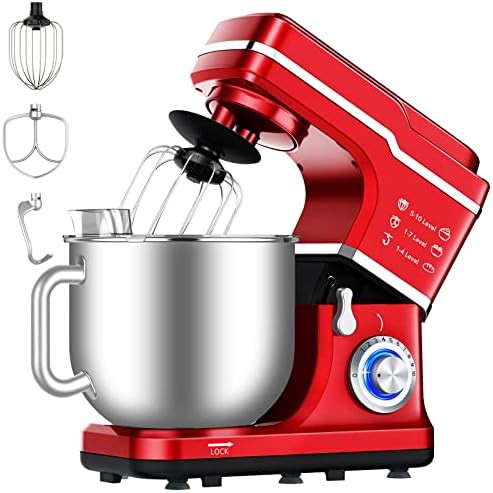
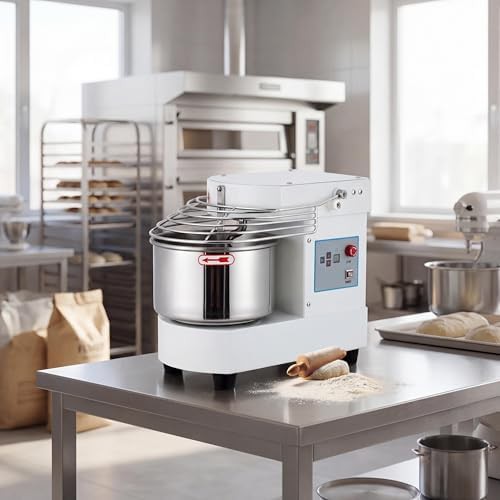
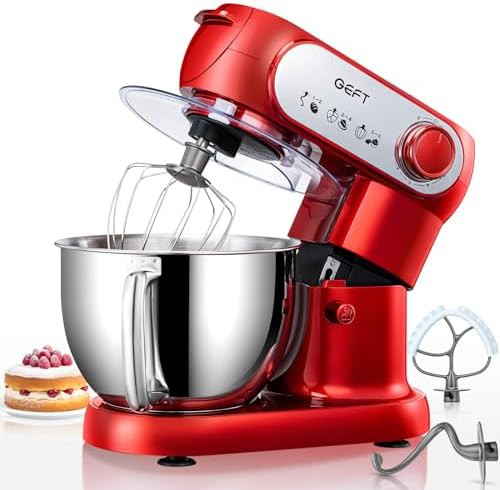

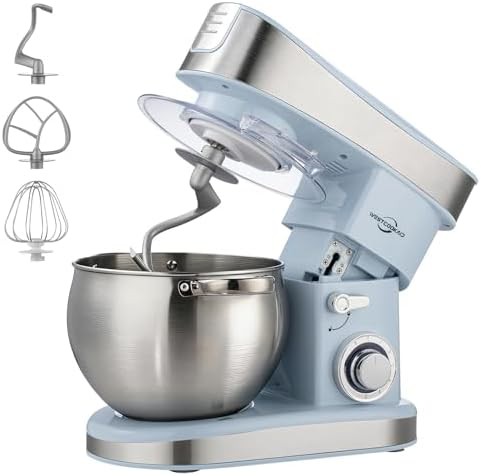
Choose a Head Style
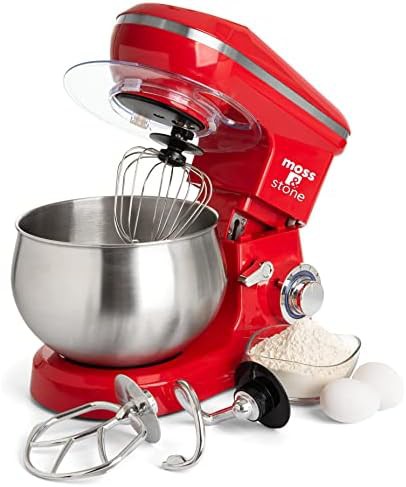
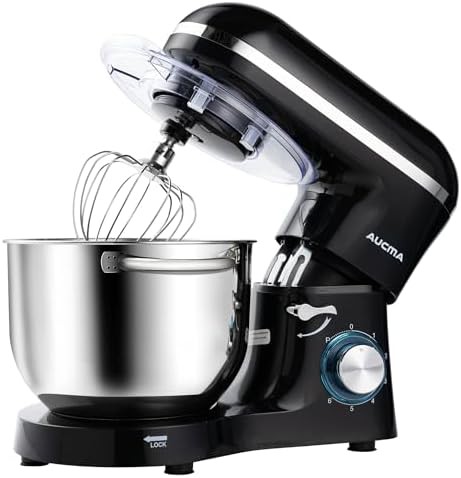
Decide between a tilt-head for low clearance or a bowl-lift for mixing heavy bread dough.
This catalog lists. Use these listings to compare motor designs, bowl capacities, and attachment sets for home baking.
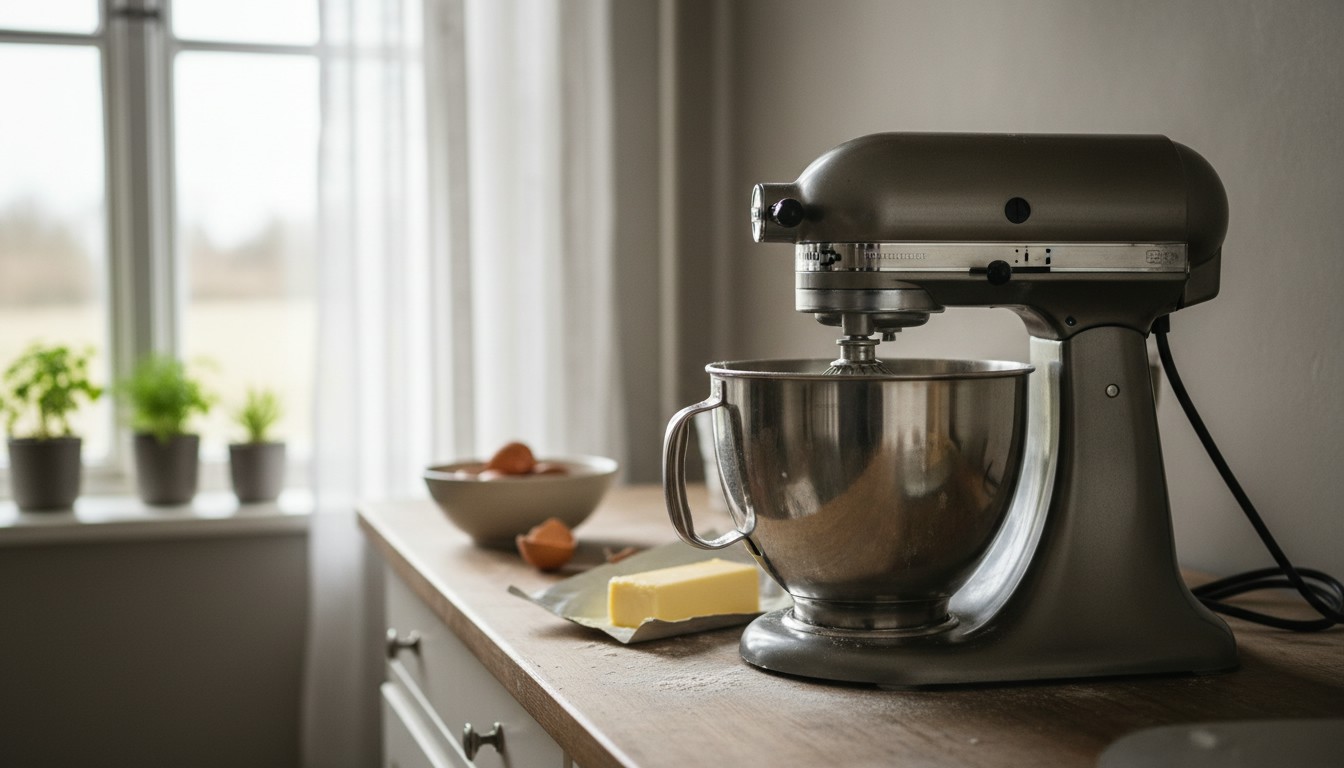
We sort mixers based on their mechanical design and price point. This set focuses on the primary configurations found in home kitchens.
Browse these listings by their specific mechanical build or price bracket.
Each card is its own brand page.

Decide between a tilt-head for low clearance or a bowl-lift for mixing heavy bread dough.
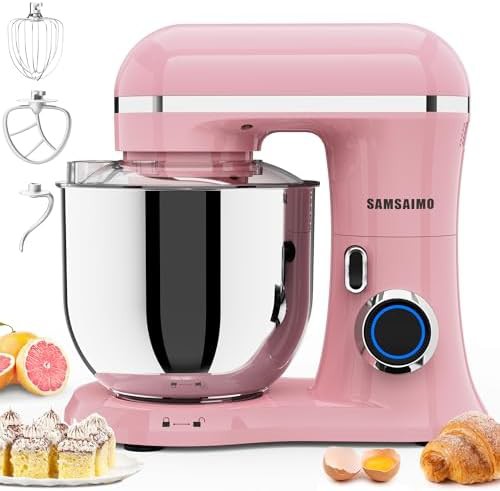
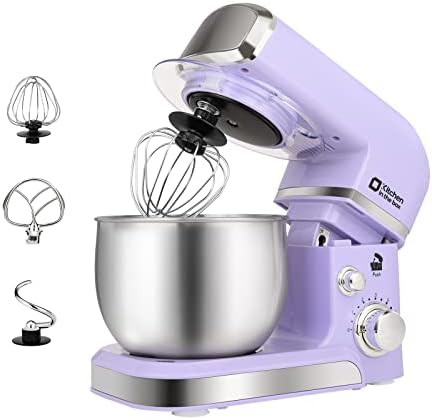
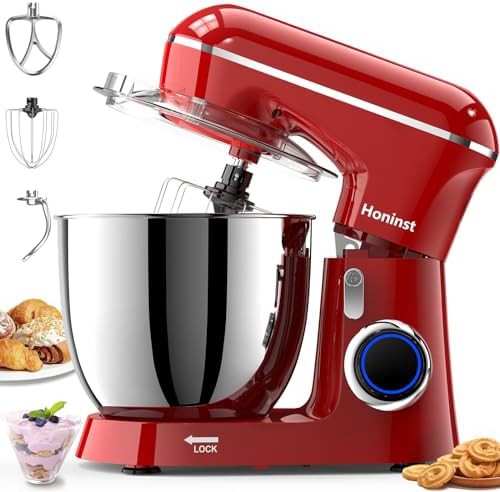
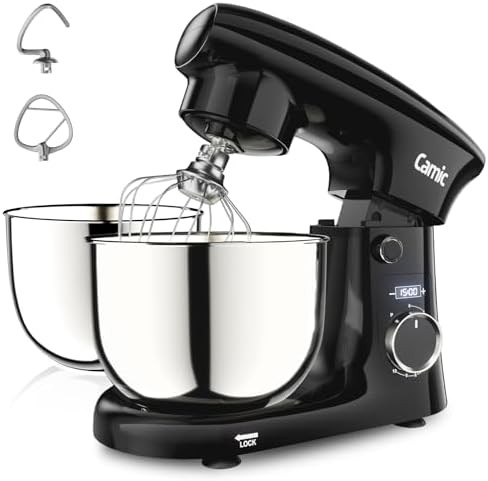
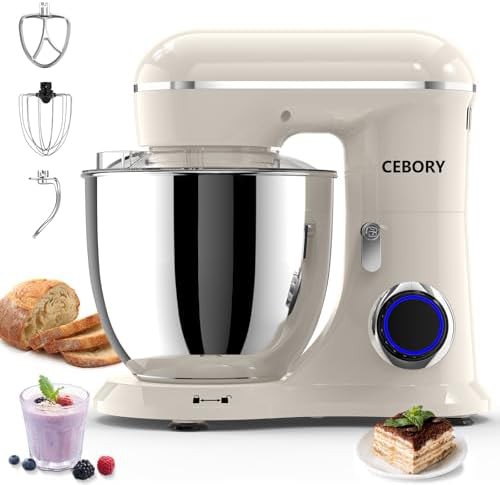
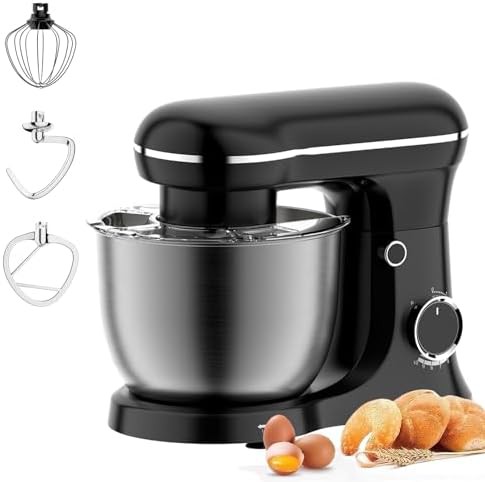
Most listings include a dough hook, flat beater, and wire whisk as standard equipment.
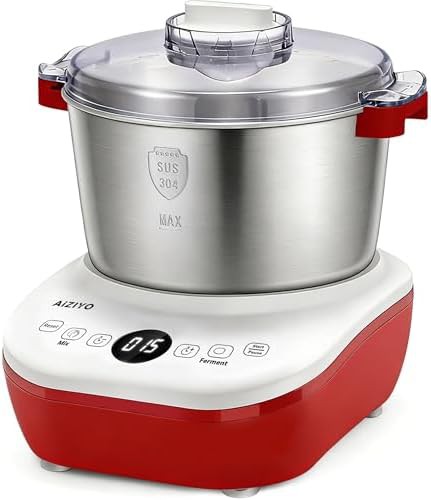
Select a bowl size that fits your typical batch, from small 3.2 qt cakes to 8.5 qt professional loads.
Tilt-head mixers have a motor head that hinges upward to remove the bowl. Bowl-lift models keep the head stationary and use a lever to raise the bowl into the mixing position.
Yes, many listings include a dedicated dough hook for kneading. Check the motor wattage and bowl capacity to ensure the model can handle thick yeast doughs.
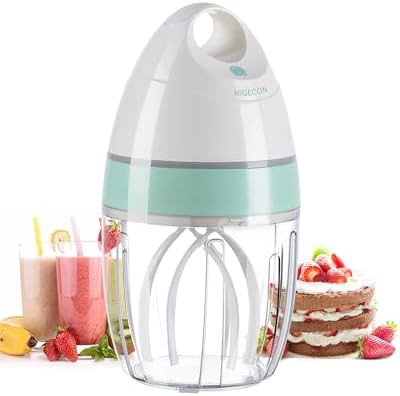
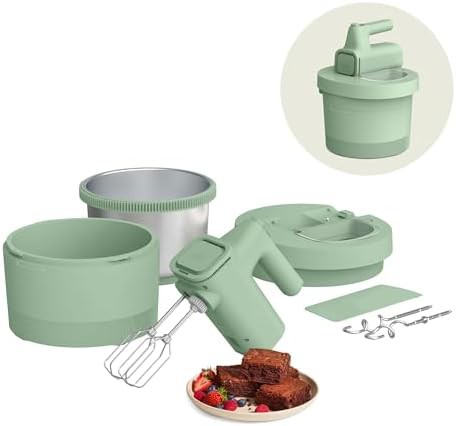
These are hybrid units where the motor assembly can be detached from the base. This allows the user to operate the device as either a standard stand mixer or a portable hand mixer.
Most listings in this catalog feature stainless steel bowls. Some models provide multiple bowls in different sizes, such as a 6 qt and 8.5 qt set.